How to Start a Garden for Beginners: Everything You Need to Know
Learning how to start a garden for beginners does not have to feel overwhelming. Growing your own food and flowers is one of the most accessible hobbies for almost anyone, regardless of your space, budget, or experience level.
Whether you have a sprawling backyard, a small patio, or a sunny windowsill, you can build a thriving garden with the right guidance.
This complete step-by-step guide walks you through every decision, from choosing what to grow to preparing your soil, so you move from total beginner to confident gardener faster than you expect.
Why Starting a Garden for Beginners Is Easier Than You Think
Gardening has a reputation for being complicated, expensive, or reserved for people with acres of land and decades of experience. That reputation is mostly bad. Millions of people grow successful gardens every year in apartments, on rooftops, in suburban backyards, and in community plots.
The barriers to entry are far lower than most beginners realize, and the rewards are greater than they anticipate.
Common Myths That Hold New Gardeners Back
Several persistent myths cause new gardeners to hesitate before ever putting a seed in the ground. Recognizing which ones are false can save you months of unnecessary doubt.

Myth 1: You need a lot of space. The National Gardening Association reports that container gardening has grown by over 30 percent in the past decade, with millions of households growing food successfully in pots, buckets, and window boxes.
A single five-gallon container can produce a full tomato plant. A few square feet of balcony space can yield enough herbs to supply your kitchen all season.
Myth 2: Gardening is expensive. Your startup costs depend entirely on the scale you choose. Many experienced gardeners begin with a $5 seed packet, a bag of potting mix, and a used container from a thrift store.
According to the National Gardening Association’s 2023 report, the average food-gardening household spends about $70 per year on their garden and receives an estimated $600 worth of produce in return.
The return on investment is strong, especially if you already have basic gardening tools on hand.
Myth 3: You need a natural green thumb. A green thumb is not a talent you are born with. It is a set of learned behaviors and observations that anyone can develop. Plants follow predictable patterns.
Once you understand what a plant needs in terms of light, water, and nutrients, you can meet those needs reliably. Most beginner gardening failures come from overwatering, not underwatering, and that is a habit anyone can correct.
A simple fix is to stick your finger one inch into the soil before watering. If the soil still feels moist at that depth, wait another day before watering again.
Myth 4: You will kill everything at first. Some plants will struggle. Some will not survive. That is a normal part of the process, not a sign of failure. Experienced gardeners lose plants too.
The difference is that experienced gardeners have learned which plants are forgiving, and you will learn that too.
Starting with beginner-friendly crops like radishes, zucchini, and basil gives you early wins that build confidence quickly.
The Real Benefits of Growing Your Own Garden at Home
Beyond the obvious appeal of fresh food, home gardening delivers benefits that touch nearly every area of your life.
Research published in the journal Preventive Medicine Reports found that gardening is associated with significant reductions in depression, anxiety, and body mass index, while also increasing life satisfaction. These are not small effects. Spending even 30 minutes in a garden can lower cortisol levels, the hormone most closely linked to chronic stress.
From a nutritional standpoint, homegrown produce is often more nutrient-dense than store-bought alternatives. A study from Penn State University found that some vegetables begin losing up to 50 percent of certain nutrients within days of harvest. Growing food at home means you eat it at peak nutritional value, not after days in transit and cold storage.
There are also environmental benefits worth considering. Home gardens reduce your reliance on commercially grown produce, which travels an average of 1,500 miles to reach grocery stores in the United States. Even a small garden contributes to local biodiversity, supports pollinators, and reduces your carbon footprint tangibly and measurably.
What this means for you is simple: starting a beginner garden is not just a hobby. It is an investment in your health, your finances, and your local ecosystem.
Step 1: Choose the Right Type of Garden for Your Situation
Before you buy a single seed, you need to decide what kind of garden structure fits your space, lifestyle, and goals. This decision shapes everything else, from your budget to your maintenance schedule. Fortunately, there are only three main types to consider.

Raised Bed Gardens
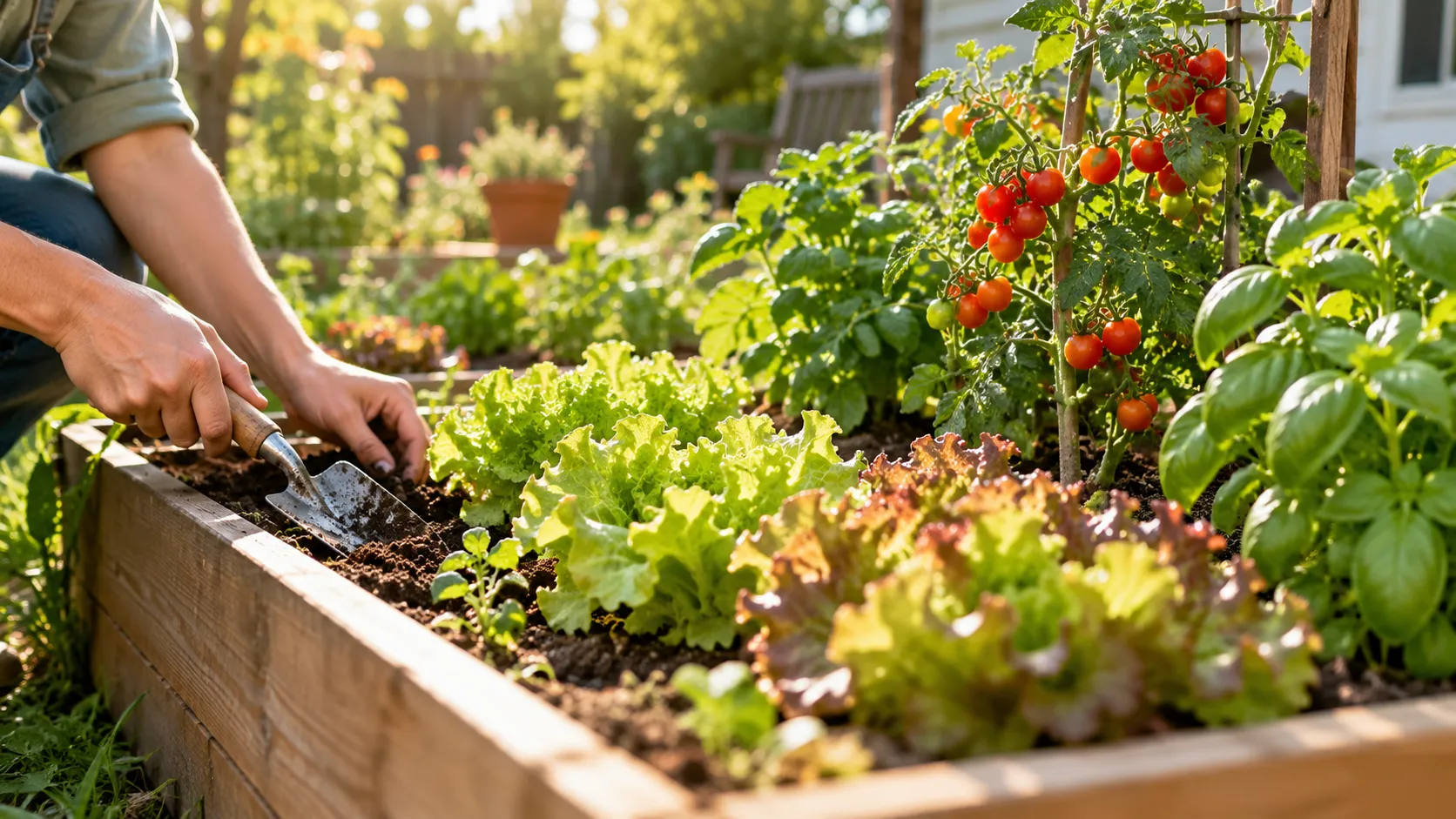
Raised bed gardening is one of the most recommended starting points for beginners, and for good reason. A raised bed is a contained growing area, typically built from wood, metal, or composite materials, that sits above the natural ground level. You fill it with a custom soil mix, which means you have immediate control over soil quality regardless of what your native soil looks like.
Raised beds also warm up faster in spring, which extends your growing season, and they tend to have fewer weed problems than in-ground plots. A standard 4-by-8-foot raised bed gives you 32 square feet of growing space, which is enough for a meaningful beginner vegetable garden. Most lumber yards sell untreated cedar boards that resist rot naturally, making them a popular and long-lasting choice.
In-Ground Gardens
In-ground gardens are the traditional approach, and they work beautifully when your native soil is in good condition. The primary advantage is cost. There is no structure to build, and once you learn how to amend your soil properly with compost and organic matter, in-ground beds can be just as productive as raised beds.
The downside is that native soil quality varies enormously. If your yard has heavy clay, rocky terrain, or poor drainage, you will need to invest significant time in soil preparation before planting. This is the option with the highest long-term potential if you own your home and plan to garden for years.
Container Gardens
Container gardens are ideal for renters, apartment dwellers, and anyone who wants to start small with minimal commitment. Containers can be moved to follow sunlight, brought indoors during frost, and scaled up gradually as your confidence grows.
The tradeoff is that containers dry out faster than in-ground or raised bed gardens, so they require more frequent watering. In hot weather, a container garden may need watering once a day. Plan your schedule accordingly before you commit to this approach.
Matching Your Garden Type to Your Lifestyle
Choosing your garden type should come down to three practical factors: available space, available time, and your long-term goals.
If you have a yard and plan to garden seriously for years, a raised bed is worth the upfront investment.
If you rent and are not sure how long you will stay in one place, containers give you the flexibility to take your garden with you.
If you own your home and have decent native soil, an in-ground garden is the lowest-cost option with the highest long-term potential.
Taking time to sketch out your available space and noting where sunlight falls throughout the day is worth doing at this stage. That single step eliminates a lot of guesswork before you spend a dollar.
Step 2: Pick the Best Location for Your Beginner Garden
Knowing how to choose a garden location is one of the most important skills in beginner gardening. A perfect plant in the wrong location will underperform every time. A modest plant in the right location will thrive consistently. Location is not just about convenience. It is about giving your plants the environmental conditions they need to produce food or flowers reliably.
Understanding Sunlight Requirements
Most vegetables and many popular flowers require a minimum of six hours of direct sunlight per day. Crops like tomatoes, peppers, squash, and cucumbers do even better with eight or more hours. Before you decide where to place your garden, observe your outdoor space throughout a full day and note which areas receive the most unobstructed sun.
The University of California Cooperative Extension classifies garden sun exposure into three categories:
- Full sun: Six or more hours of direct sunlight per day
- Partial sun or partial shade: Three to six hours per day
- Full shade: Fewer than three hours per day
Most beginner vegetable garden advice centers around choosing a full-sun location precisely because most food crops evolved to produce fruit under high-light conditions. If your only available space receives partial sun, you can still garden successfully. Focus on shade-tolerant crops like lettuce, spinach, kale, and most culinary herbs.
A common mistake is choosing a location that looks sunny in early spring before trees fully leaf out, only to find it is heavily shaded by midsummer. To avoid this, observe your space during late spring or early summer rather than relying on a single morning’s impression.
If you are planning your garden in winter, check photos of your yard from previous summers or ask a neighbor who has gardened nearby. Spending one full day tracking sunlight in your intended garden space before committing to a location can prevent an entire season of disappointing results.
How to Prepare Your Soil for a Beginner Garden
Soil preparation is the step most beginners skip or rush, and it is also the step that most directly determines whether your garden thrives or struggles. Healthy soil is not just dirt. It is a living ecosystem of bacteria, fungi, earthworms, and organic matter that works together to deliver water and nutrients to your plants’ roots.

The single most important addition you can make to almost any soil is compost. Compost improves drainage in heavy clay soils, improves water retention in sandy soils, and feeds the soil biology that makes nutrients available to plants. A good starting point for a new garden bed is to work in a two-to-three-inch layer of finished compost across the entire planting area before your first season.
Before adding anything, it is worth testing your soil’s pH. Most vegetables grow best in soil with a pH between 6.0 and 7.0. Soil that is too acidic or too alkaline prevents plants from absorbing nutrients even when those nutrients are present.
Basic soil test kits are available at most garden centers for under $15, and many university cooperative extension offices offer more detailed tests for a small fee. If your soil pH is below 6.0, adding garden lime will raise it. If it is above 7.5, adding sulfur will lower it gradually over one to two seasons.
A common beginner mistake is buying a bag of general-purpose fertilizer and assuming it replaces good soil preparation. Fertilizer feeds plants, but it does not improve soil structure.
Skipping the compost step and relying only on fertilizer leads to soil that compacts over time, drains poorly, and becomes increasingly dependent on synthetic inputs to produce results. Build your soil first, then supplement with fertilizer as needed.
What to Plant First: Best Beginner Garden Plants
Choosing the right plants for your first garden season dramatically improves your chances of a satisfying harvest. The goal in your first year is not to grow everything. It is to grow a handful of forgiving, productive plants that teach you the fundamentals while delivering results you can actually see and taste.

1. For Vegetables
The most reliably beginner-friendly choices include zucchini, green beans, lettuce, radishes, and cherry tomatoes. Zucchini and green beans are particularly rewarding because they germinate quickly, grow vigorously, and produce a visible harvest within 50 to 60 days of planting.
Radishes are the fastest of all, often ready to pull within 25 days. Cherry tomatoes produce more fruit per plant than larger varieties and are more forgiving of inconsistent watering.
2. For Herbs
Start with basil, chives, and mint. All three grow easily in containers or in-ground beds; they are useful in everyday cooking, and they give you the satisfaction of harvesting something within weeks of planting.
One important caution: plant mint in its own container rather than directly in a garden bed. Mint spreads aggressively through underground runners and will crowd out neighboring plants within a single season if left unchecked.
3. For Flowers
Marigolds and nasturtiums are excellent first-season choices. Both are easy to grow from seed, both attract pollinators that benefit your vegetable plants, and marigolds in particular have the added benefit of repelling common garden pests like aphids and whiteflies when planted alongside vegetables.
A practical approach for your first season is to limit yourself to five or six plant varieties total. This keeps your garden manageable, helps you learn each plant’s specific needs, and prevents the overwhelm that causes many beginners to abandon their gardens by midsummer.
FAQs
Q1. What is the easiest way to start a garden?
Start small with a container or one raised bed, fill it with quality potting mix, and plant easy crops like radishes, lettuce, and basil.
Q2. How much sun do vegetables need?
Most need at least six hours of direct sun daily. If you get less, grow shade-tolerant plants like lettuce, spinach, kale, and herbs.
Q3. What are the best vegetables for beginners?
Zucchini, green beans, lettuce, radishes, and cherry tomatoes. They grow fast and forgive small mistakes.
Q4. How often should I water?
Check the soil one inch down. If it’s dry, water thoroughly. If it’s moist, wait a day. Containers may need daily watering in hot weather.
Q5. Do I need to test my soil?
It’s not required, but a kit under $15 is worth it. Most vegetables prefer a pH between 6.0 and 7.0.
Q6. How much does it cost to start a garden?
Very little. A seed packet, potting mix, and a used container can get you going for under $20.
Conclusion
Starting a garden comes down to a few smart choices: pick a garden type that fits your space, find a spot with six or more hours of sun, and enrich your soil with compost.
Then start small with forgiving plants like cherry tomatoes, zucchini, lettuce, radishes, and basil. You will make mistakes, but each season makes you better.
Grab a container, some potting mix, and a packet of seeds, and plant something this week.